
Last updated on January 23rd, 2026
Between busy schedules, finding time often feels like a luxury. Yet it’s in these moments, making space to invest in Learning and Development books helps us reconnect with industry best practices that have stood the test of time.
Because the next meaningful learning idea doesn’t always come from something new. Sometimes, it comes from revisiting proven thinking.
Here are the 10 best L&D books to start with in 2026.
This curated list of professional development books for 2026 features some of the most relevant, action-oriented titles for anyone working in corporate learning. These learning and development books go beyond theory. They offer frameworks, toolkits, and proven strategies you can apply directly to your work.
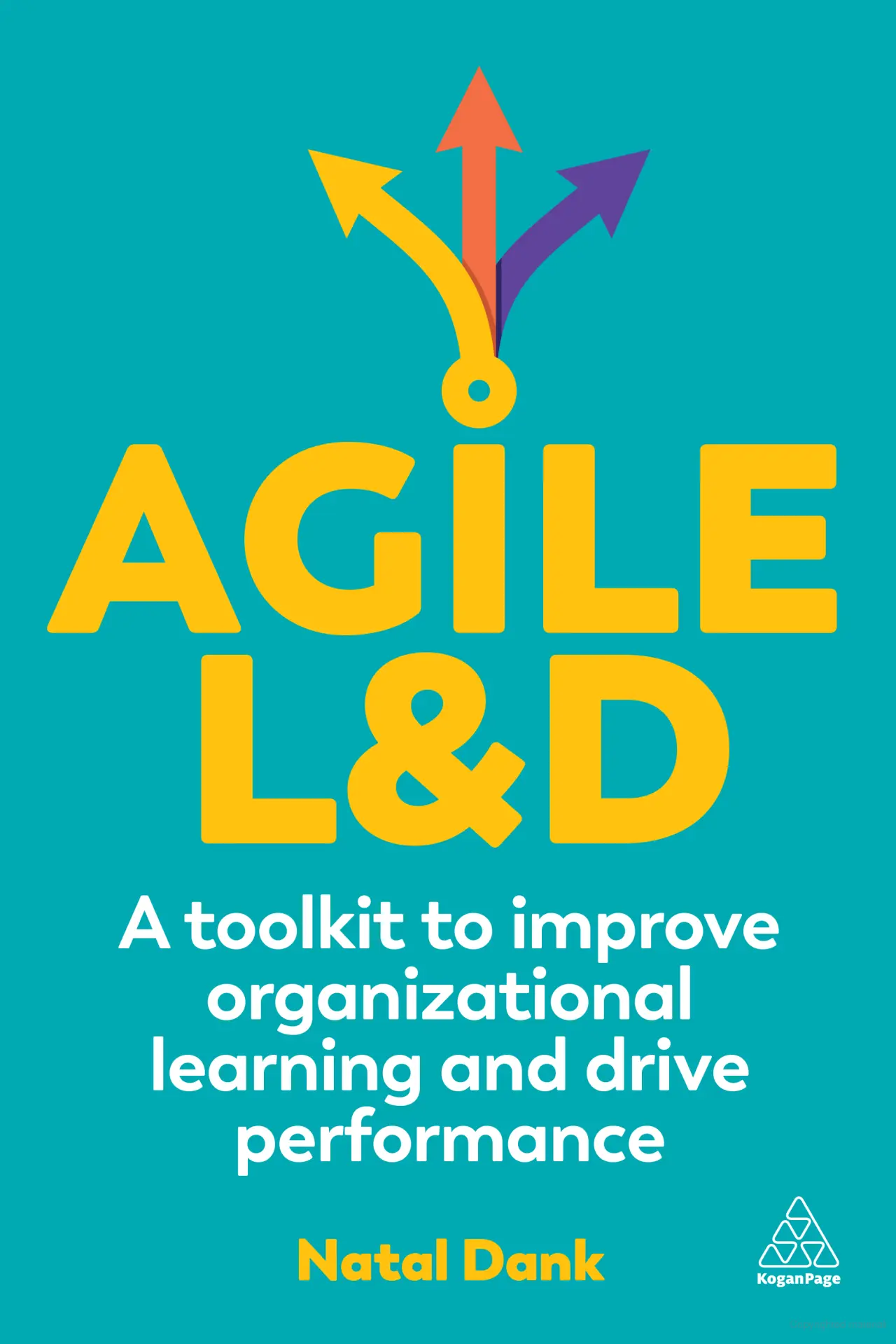
As learning teams deal with constant change, traditional models no longer hold up. This book introduces a modern approach, Agile L&D. It guides you through building adaptable, outcome-focused learning systems that evolve alongside business needs.
The author outlines five foundational design principles: product-led solutions, human-centered design, T-shaped team structures, experimentation, and delivering with impact. Each chapter includes tools and use cases for bringing agility into learning strategies, from onboarding to leadership development.
This book is essential reading for L&D professionals looking to redesign their workflows for speed, relevance, and learner engagement in dynamic organizations.
According to the 2025 LinkedIn Workplace Learning Report, 91% of L&D professionals agree that continuous learning is more important than ever for career success.
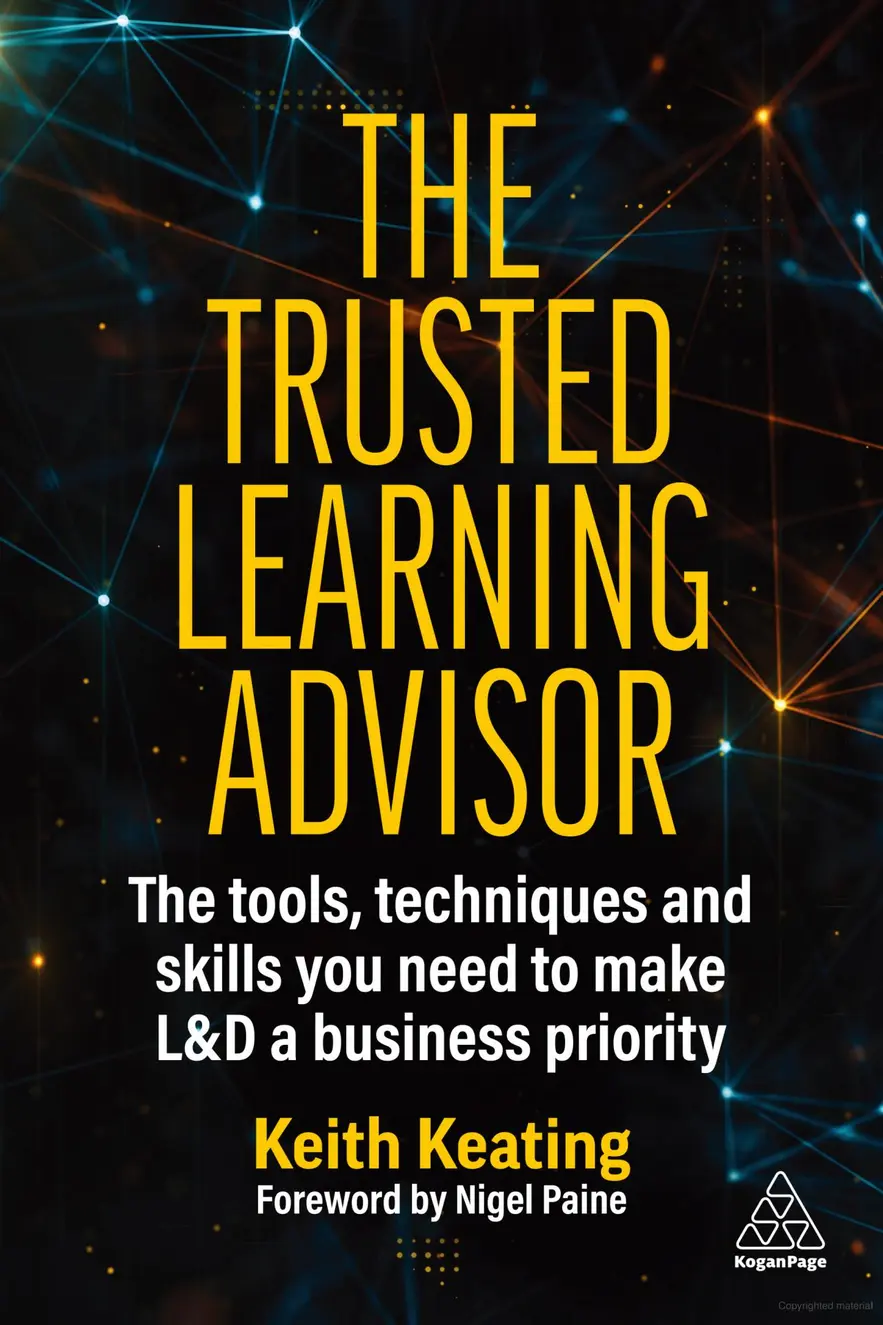
If you want L&D to be taken seriously as a business function, you need to stop being seen as a support team and start acting like a strategic partner. This book shows you how.
Keith Keating lays out a practical roadmap for L&D professionals to gain influence across departments and the C-suite. Through frameworks, real examples, and tips, the book teaches you how to align learning with strategic goals, communicate business value, and adopt a proactive approach to solving organizational problems.
It’s packed with tools to help you lead conversations about ROI, performance impact, and business alignment skills critical for every modern L&D leader.
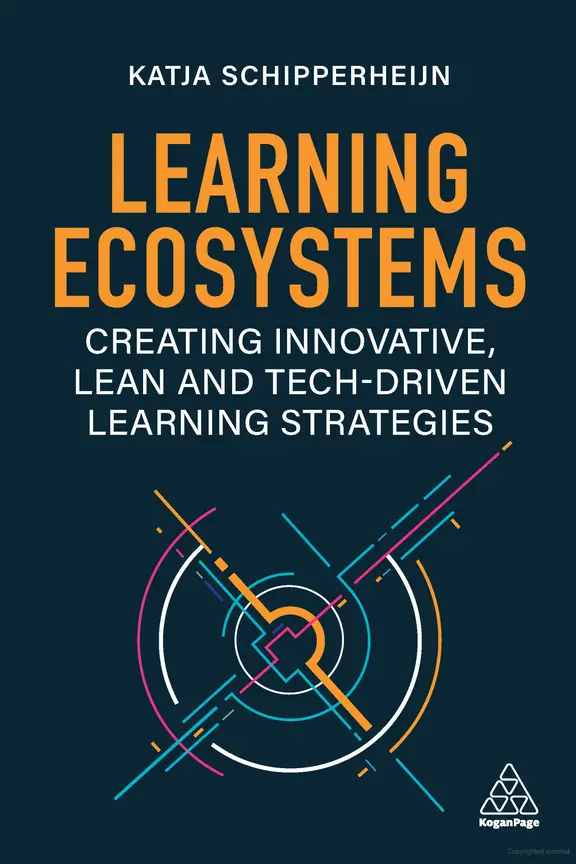
Today’s organizations need to be resilient, agile, and always learning. That’s what this book is all about creating “LearnScapes” that connect social learning, digital platforms, and employee-driven content into a living ecosystem.
Katja Schipperheijn explains how to upskill and reskill continuously by integrating learning into everyday work. The book dives into how you can build a learning architecture that adapts over time, supports cross-functional knowledge sharing, and uses technology to amplify learning outcomes.
For anyone responsible for driving long-term transformation through training and development, this book provides strategic thinking with hands-on execution.
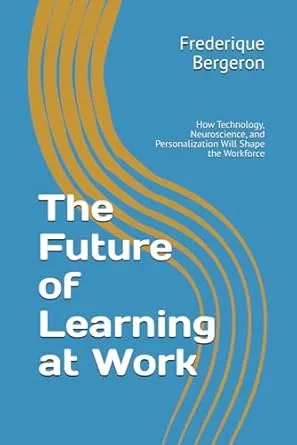
Though short, this book delivers a forward-thinking perspective on how AI, neuroscience, and personalization are changing how people learn at work. It includes insights on adaptive learning platforms, microlearning systems, and the role of brain science in training effectiveness.
Backed by case studies from companies like AT&T, Unilever, and Walmart, it explores the shift toward learner-driven experiences. Bergeron offers actionable ideas for how L&D leaders can meet rising employee expectations and make learning a competitive advantage in fast-moving markets.
If you’re interested in Learning and Development books and how emerging technologies are shaping corporate learning, this one’s worth your time.
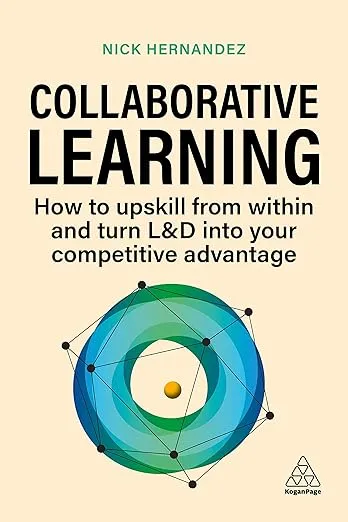
This book explores how collaborative learning can unlock internal knowledge and accelerate skills development across organizations. It shows how peer learning, mentorship, and team-based development create more engaged learners and better business results.
With examples from companies like Slack, Alpha Sights, and Mitsubishi Electric, it covers the mechanics of designing and scaling collaborative learning systems. The book also outlines how to avoid common pitfalls like engagement fatigue and siloed knowledge.
If you’re building a people-first culture, this training and development book can help you embed learning into the day-to-day operations of your teams.
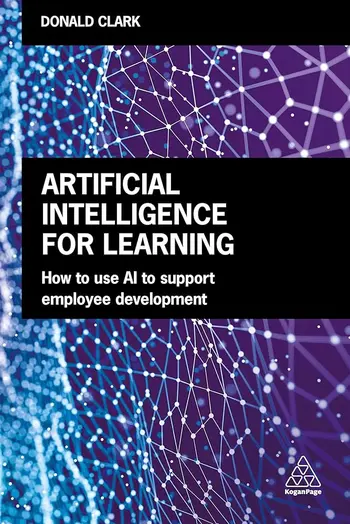
AI is already changing the way we learn at work. Donald Clark’s book shows you how to use AI to personalize content, drive engagement, and scale support through tools like chatbots and smart analytics.
He addresses common myths and concerns about AI while also providing use cases from companies like Netflix, British Airways, and the NHS. Topics include AI-based assessments, automated feedback, and intelligent systems that make learning more adaptive.
This is one of the more technical but accessible L&D books for professionals exploring data-driven approaches to training.
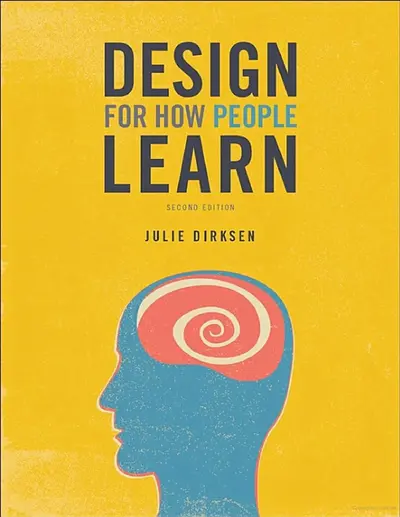
Julie Dirksen’s book remains a favorite among instructional designers and trainers. It takes the science of how people learn motivation, memory, experience and turns it into a practical guide for creating better learning environments.
The book is divided into three parts: understanding how learning works, applying it to design, and adapting to different learners. Each chapter includes real-world examples, models, and simple illustrations that make complex concepts easier to implement.
Whether you’re designing e-learning, workshops, or blended programs, this professional development book will help you create learning experiences that actually stick.
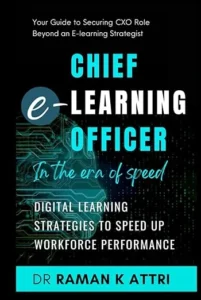
This book offers a strategic guide for L&D leaders, digital learning strategists, and organizational decision-makers on how to thrive as a learning leader in the era of speed. It lays out practical frameworks and approaches for designing learning systems that reduce time-to-proficiency, improve performance outcomes, and accelerate employee development.
This is an ideal pick for L&D professionals who want to push learning beyond compliance and into a competitive advantage for their organizations.
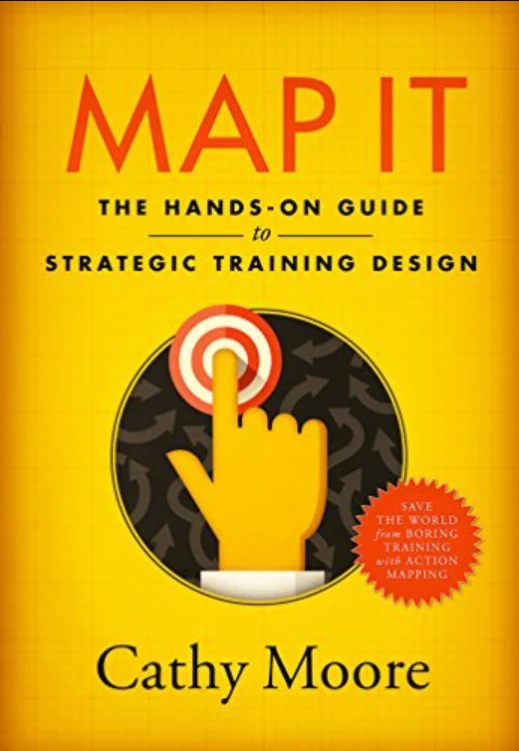
Cathy Moore’s “Map It” introduces action mapping a method for designing learning solutions that directly improve performance. Instead of defaulting to courses or content dumps, Moore teaches you to identify root causes and create activity-first programs that change behavior.
The book walks through every step: performance analysis, decision mapping, delivery methods, and outcome tracking. With templates, examples, and practical exercises, it’s especially helpful for internal L&D teams managing tight timelines and limited budgets.
An essential resource for anyone responsible for training design or learning architecture.
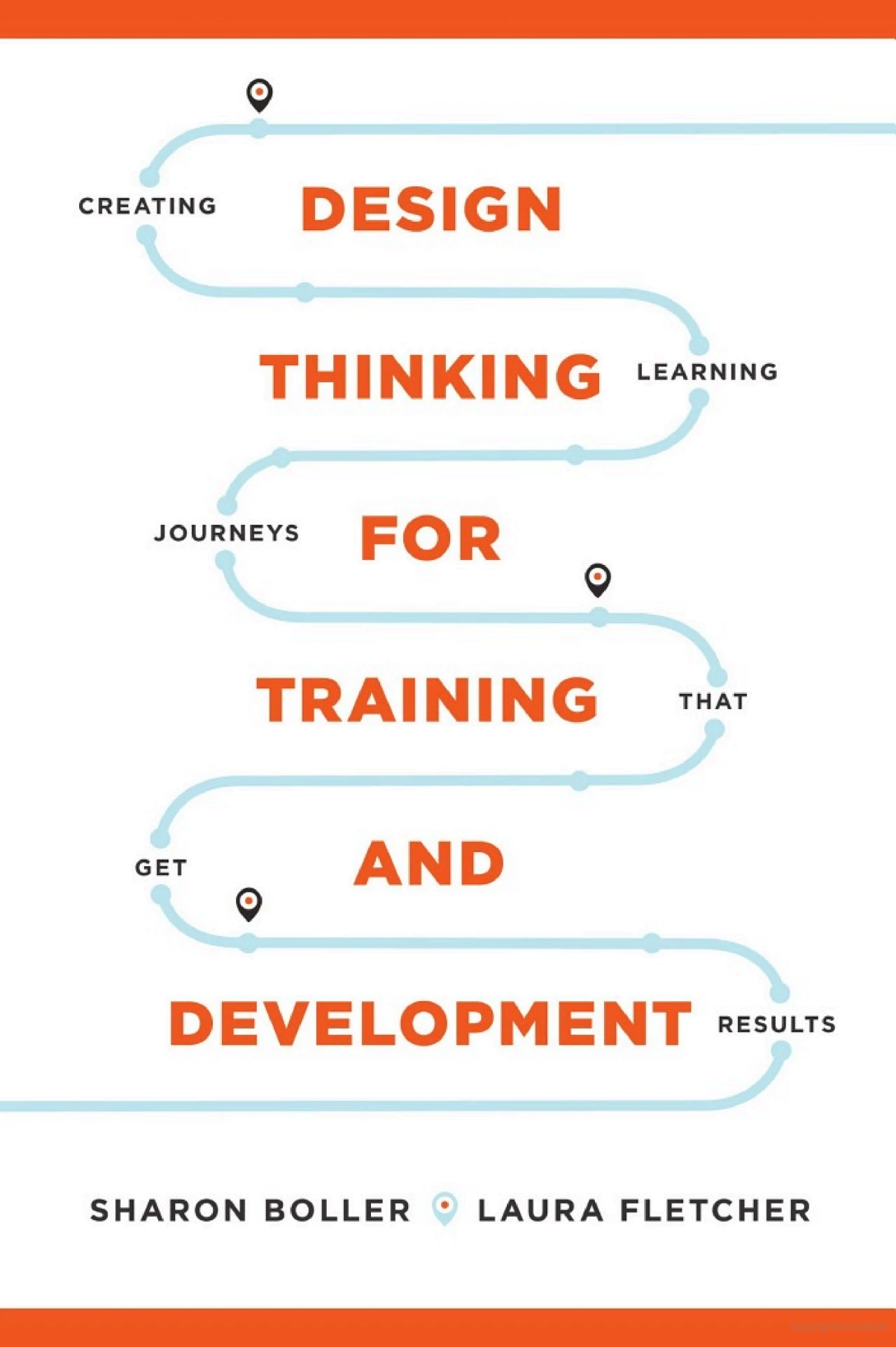
This book adapts design thinking principles for L&D professionals, emphasizing empathy, experimentation, and user-centered learning. You’ll learn how to map learner journeys, prototype solutions, and gather feedback to make iterative improvements.
The authors provide job aids, stakeholder management tips, and detailed case studies showing how design thinking leads to better learning experiences. It’s useful for both in-house and client-facing roles looking to increase the impact of training programs.
If you’re working on culture change, onboarding revamps, or learning product innovation, this book is a practical playbook.
The right learning and development books don’t just teach you—they change the way you lead, influence, and deliver value. The titles in this list are more than just good reads. They’re tools for building smarter teams, better systems, and stronger outcomes.
Whether you’re building your first L&D strategy or rethinking how to make learning matter, these ten professional development books for 2026 will keep you on the front foot.
For more curated lists, how-tos, and strategy insights, keep following the Tekstac blog—your resource for the future of workplace learning.
1. Any credible and recent L&D book to read in 2026?
“L&D Order Taker No More” by Jess Almlie, published in September 2025 is a strong pick for L&D leaders navigating speed, change, and uncertainty in 2026.
2. What books should new Learning & Development professionals start with?
For L&D beginners, it’s recommended to read Design For How People Learn by Julie Dirksen. It’s practical, learner-focused, and a great foundation for building effective learning experiences.
3. Why should L&D professionals and leaders read L&D books? What’s in it for them?
The right L&D books reshape how you lead, influence, and create impact. They serve as practical tools for building stronger teams, smarter learning systems, and measurable business outcomes.