

Company: A Fortune 500 Global IT Consulting Leader headquartered in the USA
Industry: Professional Services & Technology Consulting
Workforce Size: 300,000+ employees worldwide
To accelerate workforce growth and efficiency through AI-driven lateral training programs that empower mid-level and senior employees to transition into new roles faster and with measurable outcomes.
As a world-renowned industry leader, the client wanted to support its employees in learning new skills and transitioning to different roles more smoothly. By offering training that prepared workers for new positions within the organization, they aimed to ensure everyone had the skills needed to keep up with the company’s evolving demands.
The client’s goal was not just to train employees but to build sustained workforce growth — developing a future-ready, adaptive workforce using AI-powered learning insights and performance analytics.
The organization struggled with employees hesitating to step out of their current positions to cross-train or take on new roles. Adapting to skills that differed significantly from their existing competencies proved daunting for many. Identifying skills gap and matching them to the demands of new roles added to the complexity of the challenge.
The existing learning and development programs were generic and lacked the flexibility to cater to individual employee needs. This resulted in low engagement, poor course completion rates, and minimal skill adoption. Employees often failed to see how the training was relevant to their day-to-day responsibilities, further diminishing its impact.
The organization faced difficulties in tracking the progress and effectiveness of their training efforts. They lacked a comprehensive solution to monitor skills in real time, assess employee performance, and gather actionable feedback to measure the success of their upskilling initiatives.
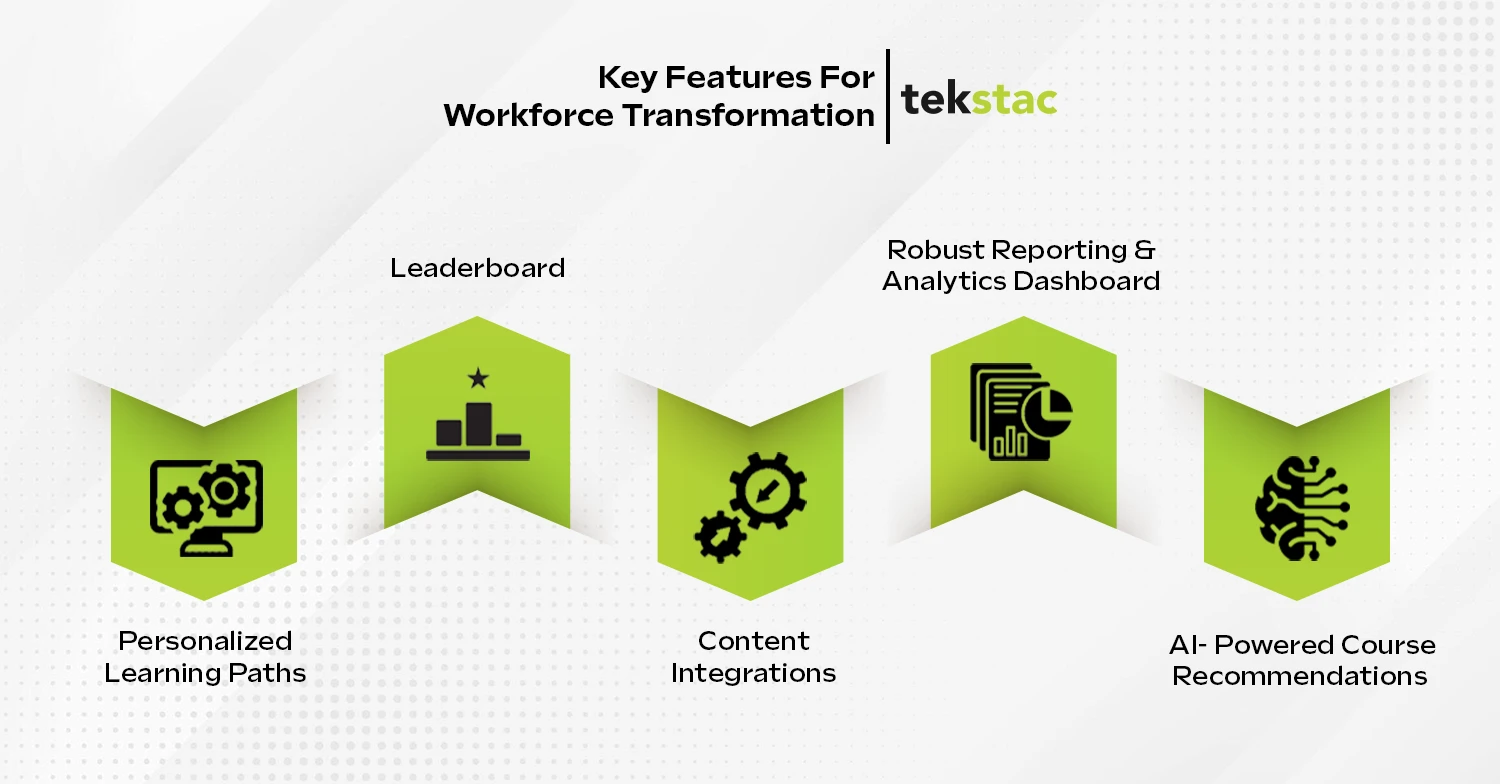
Tekstac’s platform provided highly customized learning paths aligned to individual roles and skills.
Tekstac incorporated a robust reporting system that provided detailed insights into learning outcomes, progress, and performance metrics.
Senior-level managers could monitor training completion rates, assessment scores, and skill improvement in real-time. Customizable dashboards allowed leadership to track progress against KPIs such as time-to-productivity and role-skill alignment.
Deep analytics identified critical skill gaps across departments and highlighted future training needs.
Reports linked training outcomes to on-the-job performance, helping stakeholders quantify ROI on workforce training programs.
Detailed data ensured that all employees complied with their assigned training goals while showcasing user adoption trends. This reporting mechanism allowed data-driven decisions to fine-tune training programs and ensure long-term workforce effectiveness.
Tekstac enabled a continuous learning mindset through engaging tools:
Tekstac’s lateral reskilling program delivered measurable results for the client, driving workforce growth and productivity:
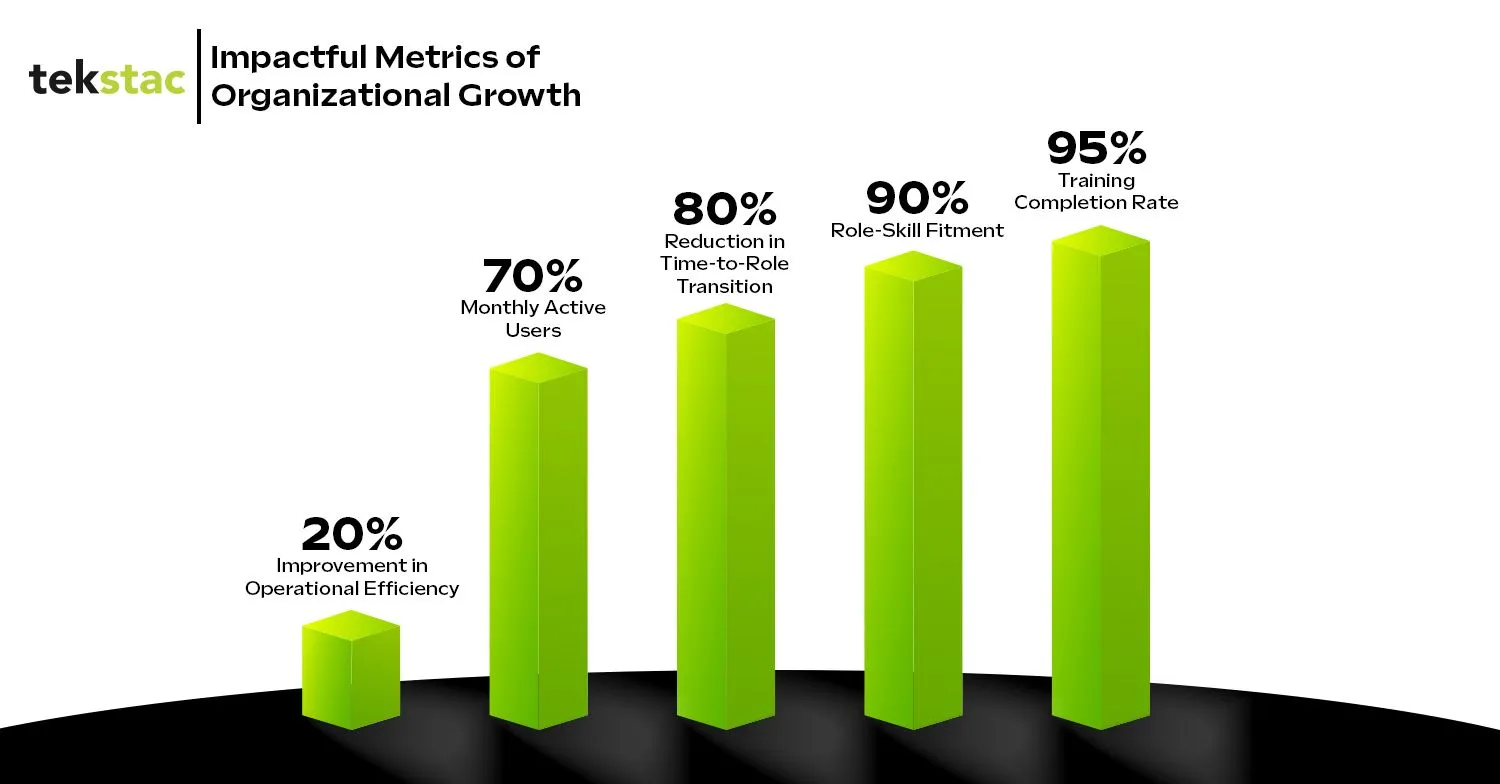
Tekstac’s AI-driven workforce growth framework delivered measurable impact, enabling scalable reskilling, faster talent mobility, and sustainable productivity gains across 300,000+ employees. By leveraging robust reporting mechanisms, personalized learning journeys, and competency assessments, Tekstac empowered employees to transition efficiently into new roles, driving organizational productivity and growth.
Tekstac remains a trusted partner in fostering a future-ready, agile workforce through role-specific skill development.
Ready to accelerate your workforce growth with AI-powered learning analytics?
Book a demo with Tekstac to see how leading enterprises are transforming their workforce with data-driven upskilling.
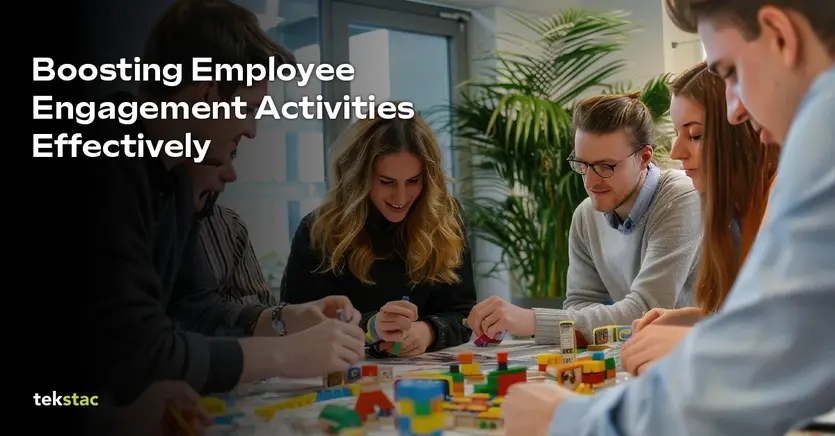
Employee involvement is critical to any organization’s success, but creating an environment where employees feel valued, motivated, and connected can be challenging. One of the strategic & effective ways to promote a positive attitude towards future changes & enhance employee engagement activities is through training programs. Training programs not only equip employees with the skills they need to excel but also create a culture of continuous improvement and engagement.
Employee enhancement activities include initiatives aimed at boosting employee morale and strengthening connections & collaboration within the organization. This encompasses a range of activities, including team-building programs, wellness initiatives, in addition to training & development opportunities. The aim is to synchronize employees’ sense of purpose with the company’s mission, ensuring they feel appreciated and contented in their roles.
Training is often underestimated, yet it plays a crucial role in employee engagement activities by enhancing employee morale, collaboration, and alignment. It not only enhances skills but also builds a sense of community and promotes career growth.
Training plays a pivotal role in employee engagement by:
A meticulously crafted training program integrates seamlessly into employee engagement activities, establishing a continuous cycle of growth and satisfaction.
Employees feel more capable of working through challenges and performing their duties more efficiently once they have been trained. This confidence minimizes tension and improves overall job satisfaction, which is the key to engagement.
For example, technical training helps employees efficiently use the latest tools and technologies, while soft skills training improves their ability to manage workplace relationships.
Group training programs promote collaboration and teamwork. Employees gain knowledge from each other, exchange insights, and build bonds that foster positive workplace relationships. This collaborative atmosphere can translate to other employee engagement activities, thus promoting mutual support and fellowship among employees.
The training typically includes assessments, certifications, or accomplishments that serve as opportunities for recognition. Rewarding your employees’ milestones during the training period reinforces their value and motivates them to participate in other employee engagement activities.
Leadership training helps identify & develop potential leaders in an organization. When employees see a clear line of progression to leadership roles, their determination and motivation scale up. These upcoming leaders can then advocate employee engagement activities, further promoting an environment of positivity and growth.
Training not only engages employees but significantly impacts their satisfaction.
When employees are given personalized training specific to their career aspirations, there is a high probability for them to feel contented in their positions. This correlation between personal & professional goals increases commitment and decreases turnover.
When employees lack the necessary skills or have unclear job roles, it leads to frustration and stress. Training equips employees with the tools they need to tackle challenges, creating a more composed and fulfilled workforce.
Conducting training programs emphasizes that an organization values its employees, fostering a sense of appreciation. This, in turn leads to enhanced job satisfaction and encourages employees to actively participate in employee engagement activities.
Training empowers employees to take control of their responsibilities and decisions. This freedom increases confidence and enhances job satisfaction as employees feel valued and respected.
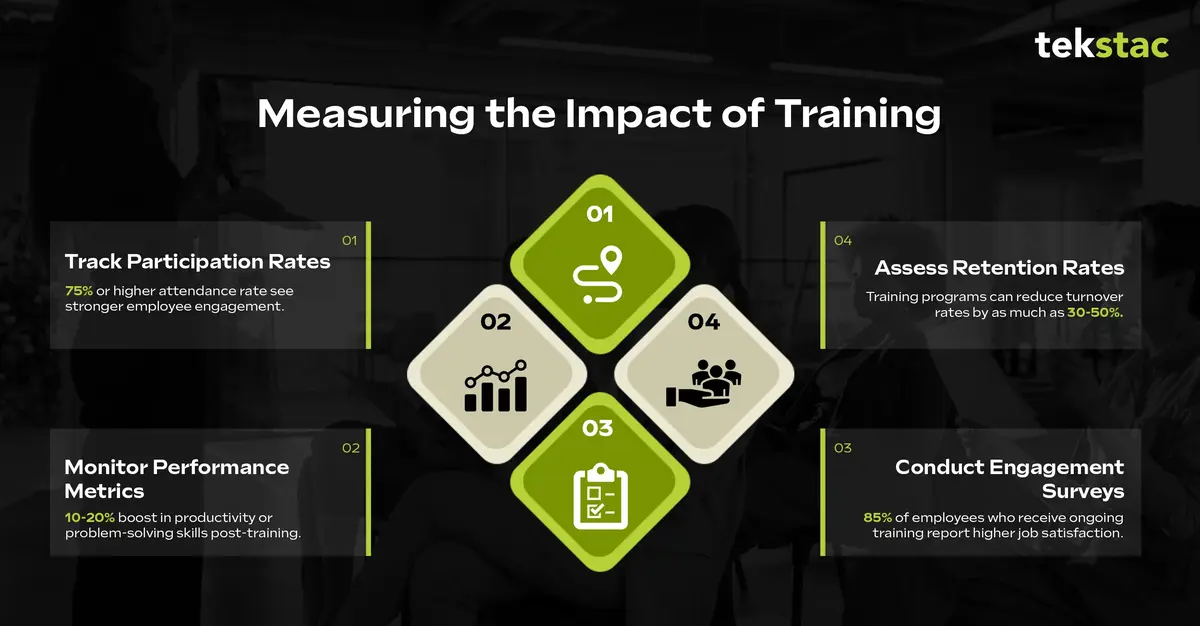
To ensure that training has a powerful influence on employee engagement activities and job satisfaction, organizations have to strategically craft programs.
Knowing skills gap and employee career goals are key which can be determined through surveys, interviews, or performance reviews. Then, customize training programs to meet these specific needs.
Use interactive formats such as workshops, gamification, or online modules to keep employees engaged. Group activities and real-world challenges make the learning experience more dynamic and fun.
Training should be more than a one-time affair. Establish a culture of continuous learning where an employee is allowed to regularly access learning materials, attend workshops, and take part in mentorship programs.
Describe clearly how training supports career advancement. Providing certifications, pathways to promotion, or additional responsibilities as a result of training keeps employees engaged and motivated.
Integrate training with other engagement activities, including team-building tasks, cross-functional projects, or health programs, to develop a holistic approach to employee development.
Leading companies like Google and IBM, known for their robust employee engagement activities, use training as a strategic tool to boost satisfaction and innovation. how:
Google has made huge investments in training programs that enable employees to discover roles across departments. This emphasis on growth leads to high levels of engagement and satisfaction.
IBM provides employees with continuous learning opportunities via its SkillsBuild platform, motivating them to develop new competencies and feel empowered in their positions.
Training goes beyond acquiring skills; it’s an investment in employees. By incorporating training into employee engagement activities, organizations create a workforce that is not just proficient but also connected, motivated, and satisfied.
Increased productivity, better collaboration, and a thriving culture.
Embrace the power of training as a key factor of your engagement strategy, and you’ll be amazed to see your organization evolve into a center of innovation and excellence.
Gamified learning introduces new opportunities for advancing workplace learning by incorporating gaming features into training programs. Organizations reward and motivate their employees by offering engaging lessons that include competition, objectives, and other elements that increase engagement. This approach changes the attitude towards learning, making complex concepts and skills needed for a workplace faster and easier to internalize.
Changing circumstances in workplaces today render standard employee training methods ineffective. Development activities are transformed into engaging and fulfilling experiences. Leaderboards and achievement badges motivate employees to care about their development and work together to achieve results.
Gamified learning is an approach in which gaming mechanics like scores, levels, rewards, and challenges are incorporated into the learning environment. This strategy renders the learner’s interactive experience enjoyable and will likely attract and retain attention. By leveraging natural human motivation instincts, gamified learning makes learning more interesting and less repetitive.
This approach is implemented across various domains to enhance engagement and retention. Gamification enables individuals to acquire key skills more interactively. Recognizing progress through levels or rewards cultivates a sense of achievement, making the learning experience both motivating and effective.
Because it speaks to how we’re wired—everyone loves a little friendly competition, the satisfaction of hitting a goal, and getting feedback right when it matters. That’s what makes gamified learning feel less like training, and more like something you actually want to do.
According to Gallup, employee engagement remains a critical challenge in today’s workplaces, with only 34% of employees being actively engaged. Traditional training methods often fail to capture employees’ attention, leading to low motivation and participation.
Gamified learning has proven to be an effective way to tackle this problem, significantly increasing employee engagement. A recent study revealed that 89% of employees would work harder if their tasks were more gamified.
Gamified learning not only boosts engagement but also enhances knowledge retention. PwC’s study found that 75% of employees are more motivated to learn when training involves game-like elements. According to Learning, it can improve retention by up to 60% compared to traditional methods.
This is largely due to techniques like active recall and spaced repetition, which have proven to be highly effective in helping employees retain information and apply it in real-world situations.
Gamified learning also significantly impacts learning outcomes. A Forbes report found that 83% of employees believe training would be more effective with game elements such as rewards and points. When paired with microlearning, which involves short and focused learning modules, gamification offers employees flexibility and engagement.
According to McKinsey, this combination has become a trend in employee training. It allows learners to access material at their own pace while receiving immediate feedback, which enhances the overall learning experience.
The increasing investment in gamified learning highlights its cost-effectiveness. A report by Global Industry Analysts projects the learning market to grow to $30.7 billion by 2025, as businesses recognize its value. The Brandon Hall Group found that companies implementing gamified learning saw a 14% increase in employee engagement and a 22% boost in performance.
In today’s fast-paced business environment, continuous learning is more important than ever. LinkedIn’s Workplace Learning Report found that 94% of employees would stay longer at a company that invests in their development. Learning supports this by offering engaging, on-demand content that encouraging employees to keep learning.
With the rise of Learning Experience Platforms (LXP), gamified elements like badges and leaderboards are being integrated to keep employees motivated and provide a more personalized learning experience that fosters lifelong development.
As technology evolves, the need for reskilling and upskilling becomes more pressing. Deloitte’s report revealed that 47% of organizations plan to invest in upskilling programs to address this challenge. Learning is a powerful tool for helping employees develop new skills quickly and efficiently.
The World Economic Forum predicts that by 2025, 85 million jobs will be displaced by automation, but 97 million new roles will emerge that require different skill sets. Gamified learning can equip employees with these necessary skills in an interactive, adaptable way at a much faster clip.
Challenges of gamified learning include upfront costs and the problem of translating ‘hard to teach’ content. This is because, on the one hand, rote memorization of facts for subsequent incentives may occur, and on the other hand, not all workers may embrace the technology.
Designing a learning program requires substantial resources, such as time, money, and technical expertise, making it costly, particularly for small businesses. For example, SAP implemented a gamified platform with features like leaderboards and challenges. While the initial investment was high, the program eventually paid off by significantly improving employee engagement and skill development.
In some cases, employees may focus more on earning points, badges, or rewards rather than truly understanding the material. A healthcare organization that introduced gamified training faced this issue, where staff prioritized achieving high leaderboard rankings over absorbing critical patient care concepts. They adjusted the program to emphasize real-world application alongside rewards to resolve this.
Certain types of training, such as those involving highly technical or conceptual topics, may not quickly adapt to gamification. For instance, a multinational bank’s financial compliance training program struggled to gamify complex regulatory topics due to their detailed and structured nature. Instead, they supplemented traditional methods with small gamified elements to keep learners engaged.
Gamified learning systems must accommodate those with disabilities or those in areas with limited access to technology. A global NGO discovered that its e-learning gamification program struggled to reach employees in remote regions due to connectivity issues. By creating simplified offline modules, it ensured inclusivity and broader participation.
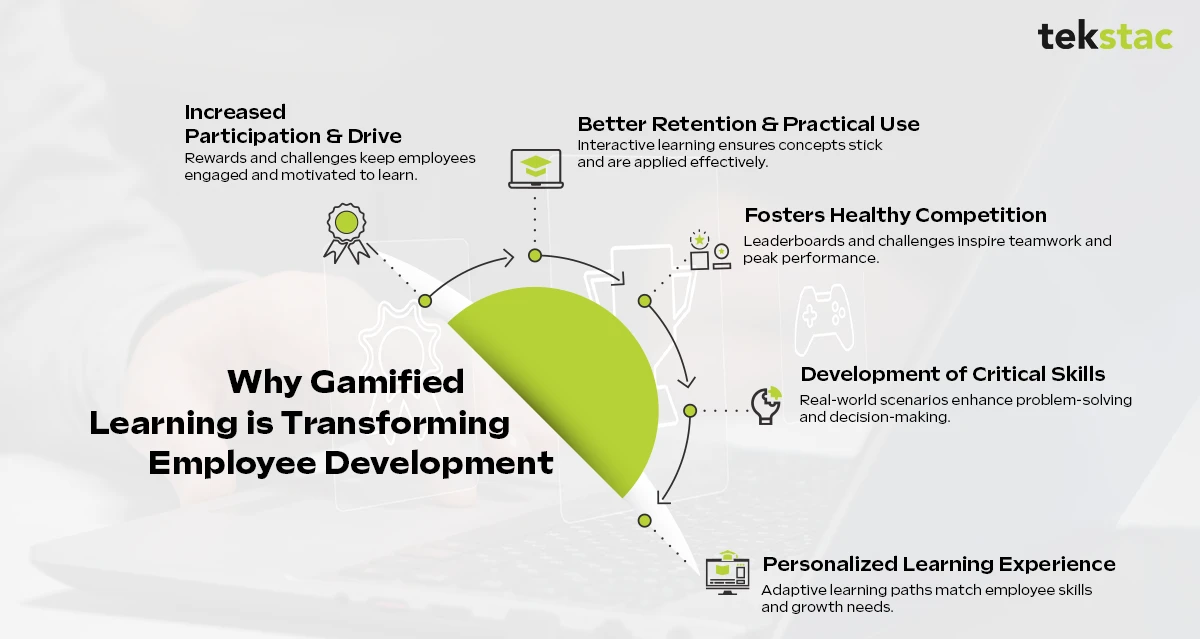
Gamified learning offers a fresh and innovative approach to training and development, blending engagement with measurable outcomes. The real value lies in designing gamified programs that align with strategic goals and deliver meaningful skill enhancement.
It’s crucial to strike a balance—integrating game mechanics that motivate employees while ensuring the training content fosters long-term capability development. By focusing on outcomes rather than just rewards, organizations can create impactful training experiences that drive productivity, foster growth, and align with business objectives.
Ready to transform your workforce?
Explore how Tekstac’s gamified learning programs can increase employee engagement and boost performance by up to 22%.
👉 Request a Free Demo and start building smarter teams today.
1. Does gamified learning require expensive technology?
Not necessarily. Gamified learning can be implemented using basic tools like quizzes, points systems, or leaderboards integrated into existing learning platforms. While advanced tools can enhance the experience, effective gamification doesn’t always rely on high-tech solutions.
2. Is gamified learning suitable for all types of learners?
Gamified learning appeals to many learners due to its engaging nature. However, tailoring it to fit the specific audience is essential. Learners have varied preferences for challenges and rewards, so customization is key to maximizing its effectiveness.
3. How can gamified learning measure success?
Success in gamified learning can be measured through learner participation rates, progress tracking, test scores, and feedback. Monitoring engagement levels and retention rates also helps assess the effectiveness of the gamified approach.
4. Make Learning Count with Tekstac?
Elevate skills, boost collaboration, and empower your team with tekstac gamified training solutions. From onboarding to upskilling, we design impactful learning experiences that drive real results. Partner with Tekstac today to build a smarter, stronger workplace!

Role-based training is no longer a matter of choice for organizations that are aiming to succeed—it’s a cornerstone of growth and efficiency. This approach equips employees with the skills they need to thrive in their specific roles, ensuring they can make meaningful contributions from the very start. When employees’ abilities align with organizational goals, the result is a team that’s not only productive but also genuinely engaged and motivated.
In today’s high-pressure business environment, generic onboarding programs often fall short. They may provide an overview of company policies and values, but they rarely prepare employees for the actual demands of their roles. Imagine hiring a data analyst who learns about company protocols during onboarding but is left clueless when faced with tools needed for that particular role. Without role-specific training, your team members can feel unsupported and overwhelmed, which can quickly lead to lower productivity and frustration.
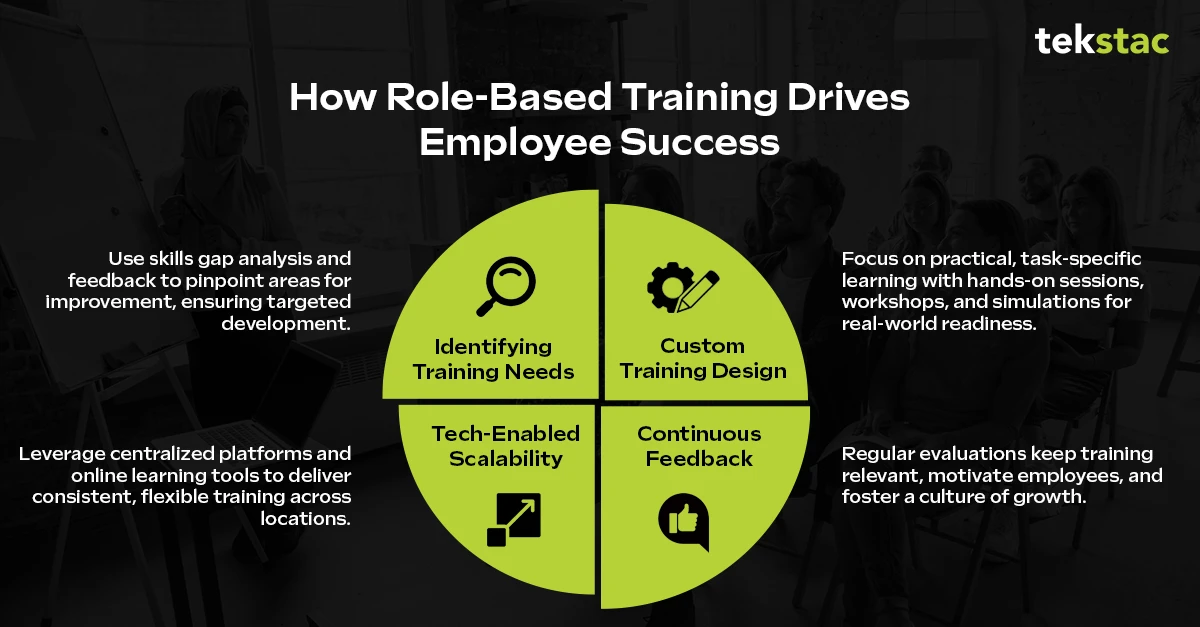
Every effective training program begins with a simple question: what do your employees need to succeed? Understanding these needs is the foundation for building role-based training that delivers real results.
Organizations that invest in training and development strategies are better positioned to anticipate future skills, adapt to change, and ensure long-term employee growth.
By using tools like skills gap analysis, performance reviews, and feedback sessions, organizations can uncover the exact areas where their workforce needs support.
It could be that your technical team is struggling with a new cloud computing platform, or maybe compliance regulations are changing faster than your employees can keep up.
Without targeted training, these gaps can slow down productivity and lead to costly mistakes. Skill gaps analysis provides clarity, showing exactly where development is needed.
Advanced platforms with built-in analytics make the process even smoother, giving you real-time data to craft precise upskilling programs.
Many industries, such as healthcare, will undoubtedly feel the absence of this if they miss out.
Once you know what your employees need, the next step is to create training that actually helps them succeed. The best way to do this is by keeping it practical and focused on tasks they’ll face every day.
With role-based training, companies can address challenges while building confident, capable teams.
A data analytics team practicing financial modeling through hands-on sessions instead of just sitting through lectures. They’d gain real experience, making them better prepared to handle complex projects.
In another scenario, employees dealing with machine errors could benefit from virtual simulations. This model empowers them to practice safely without worrying about real-world mistakes, helping them build the skills they need to perform better on the job.
People learn best when they can put their skills into action. That’s why role-based training is so much more effective when it includes hands-on learning. Whether it’s through workshops, real-world problem-solving, or virtual labs, these methods help employees build confidence and apply their knowledge in practical ways.
Employees learning risk assessment can benefit from simulations that mimic real-life scenarios.
These practical exercises help them practice decision-making in a controlled environment. The more they experience realistic challenges during training, the fewer mistakes they’ll make when it counts.
Training employees across different locations doesn’t have to be complicated. Centralized skilling platforms bring everything together in one place, so every team member gets the same quality training, no matter where they work.
In industries with high-level tech involvement, where tools and processes change quickly, preparing employees early—like teaching them AI skills or data analysis—can make a big difference. Prepared teams handle change with ease, reducing stress and avoiding disruptions.
Online cloud-based learning platforms add even more value. Employees can learn at their own pace, using short and easy-to-digest courses. This keeps them interested and makes learning less overwhelming.
Feedback isn’t just about improving training—it’s a way to show employees that their voices matter. When people feel heard, they stay motivated and connected to their work. Even something as simple as asking for their thoughts can lift their spirits and make them more likely to stick around. Ignoring feedback, however, can leave training feeling outdated and less impactful over time.
Regular updates and honest conversations about what’s working (and what’s not) can turn good training into great training. It’s about keeping things fresh, effective, and meaningful for your team.
Role-based training isn’t just another workplace initiative—it is designed to drive real results across industries. When employees are trained for their specific roles, the outcomes are hard to ignore. Warehouse teams trained to prioritize safety and efficiency see noticeable improvements, such as higher productivity and fewer accidents.
Compliance training designed around team needs keeps employees aligned with regulations, avoiding risks and creating a safer work environment.
But it’s not just about performance metrics. Role-based training has a way of boosting morale and loyalty too. Employees who feel their growth matters to the company are more likely to stay. In fact, 94% of employees say they would stay longer at organizations that invest in their learning and development, as highlighted in LinkedIn’s Workplace Learning Report.
Employee training doesn’t have to be a complex process. The right tools can simplify the entire process, helping employees learn what they need in a way that’s practical and effective.
A modern training platform is designed to make learning feel natural. They create personalized skill-building sessions that focus on real-world skills, ensuring employees get exactly what they need for their roles. Features like hands-on practice labs allow employees to practice in realistic scenarios, turning learning into action.
What makes this approach stand out is how seamlessly it fits into the workday. Instead of feeling like an extra task, training becomes part of the workflow, helping employees grow without added pressure.
A modern training platform, like Tekstac, addresses the core need for focused and practical learning. Employees often struggle with generic training that doesn’t prepare them for real challenges.
Tekstac bridges this gap by offering hands-on practice labs, where employees can apply their skills in real-world scenarios, building confidence and capability.
The result?
Confident teams that are prepared for today’s challenges and ready for what’s next.
When training is practical and well-integrated, it doesn’t just teach—it transforms. Employees learn faster, stay engaged, and feel more prepared to succeed.
1. How does role-based training differ from traditional corporate training?
Unlike generic training programs, role-based training is tailored to meet the unique responsibilities and skill requirements of each job role.
2. Why should companies invest in role-based training?
Because, organizations benefit from improved employee performance, reduced skill gaps, higher retention rates, and more efficient onboarding processes.
3. What industries benefit the most from role-based training?
Industries like IT, healthcare, manufacturing, finance, and customer service rely heavily on role-based training to keep their workforce skilled.
4. What is a role specific training plan?
A role-specific training plan is a structured program designed to equip employees with the skills and knowledge required for their specific job roles.
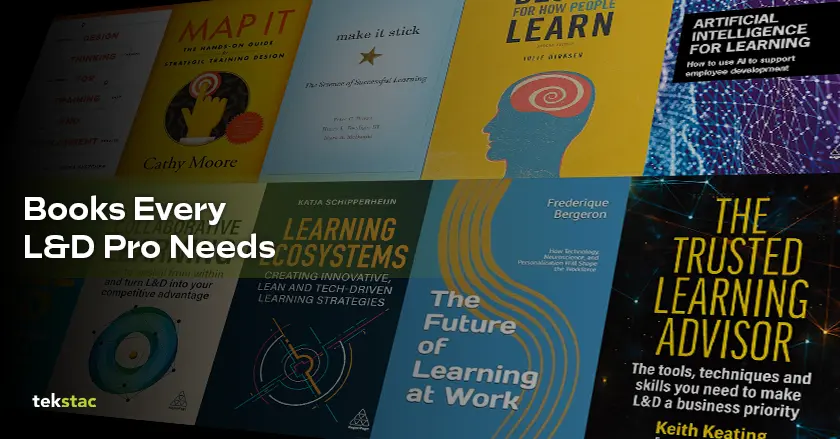
Between busy schedules, finding time often feels like a luxury. Yet it’s in these moments, making space to invest in Learning and Development books helps us reconnect with industry best practices that have stood the test of time.
Because the next meaningful learning idea doesn’t always come from something new. Sometimes, it comes from revisiting proven thinking.
Here are the 10 best L&D books to start with in 2026.
This curated list of professional development books for 2026 features some of the most relevant, action-oriented titles for anyone working in corporate learning. These learning and development books go beyond theory. They offer frameworks, toolkits, and proven strategies you can apply directly to your work.
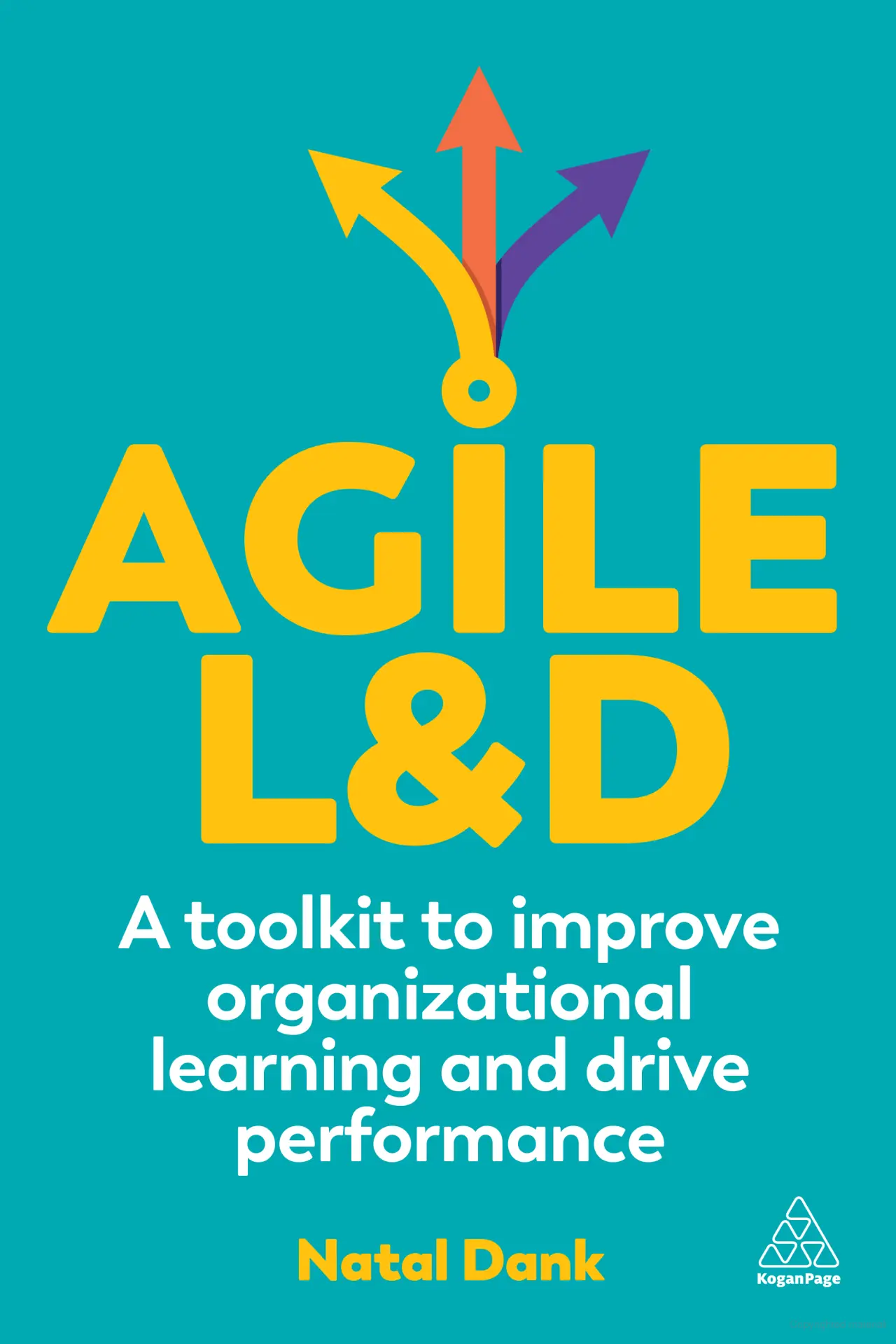
As learning teams deal with constant change, traditional models no longer hold up. This book introduces a modern approach, Agile L&D. It guides you through building adaptable, outcome-focused learning systems that evolve alongside business needs.
The author outlines five foundational design principles: product-led solutions, human-centered design, T-shaped team structures, experimentation, and delivering with impact. Each chapter includes tools and use cases for bringing agility into learning strategies, from onboarding to leadership development.
This book is essential reading for L&D professionals looking to redesign their workflows for speed, relevance, and learner engagement in dynamic organizations.
According to the 2025 LinkedIn Workplace Learning Report, 91% of L&D professionals agree that continuous learning is more important than ever for career success.
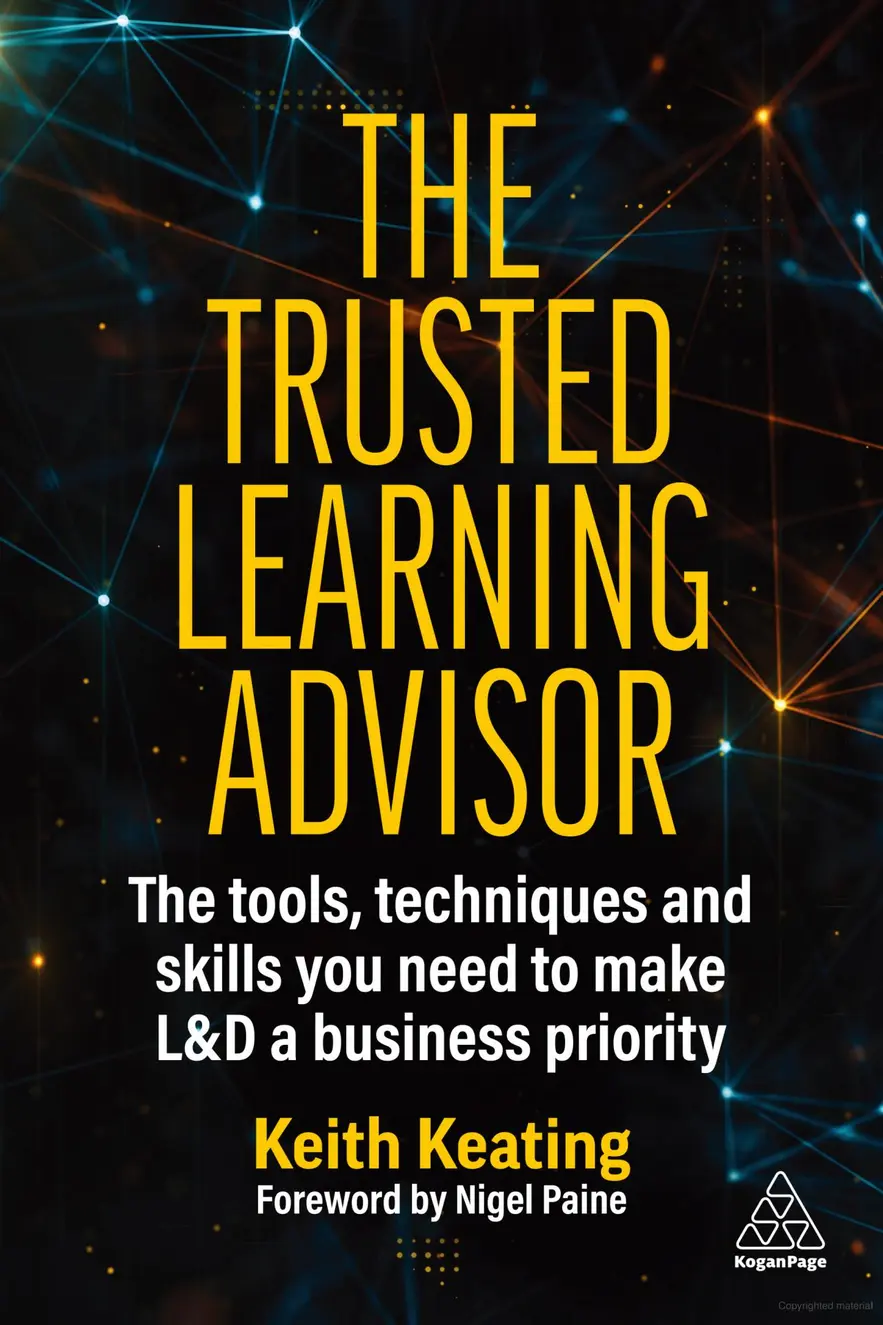
If you want L&D to be taken seriously as a business function, you need to stop being seen as a support team and start acting like a strategic partner. This book shows you how.
Keith Keating lays out a practical roadmap for L&D professionals to gain influence across departments and the C-suite. Through frameworks, real examples, and tips, the book teaches you how to align learning with strategic goals, communicate business value, and adopt a proactive approach to solving organizational problems.
It’s packed with tools to help you lead conversations about ROI, performance impact, and business alignment skills critical for every modern L&D leader.
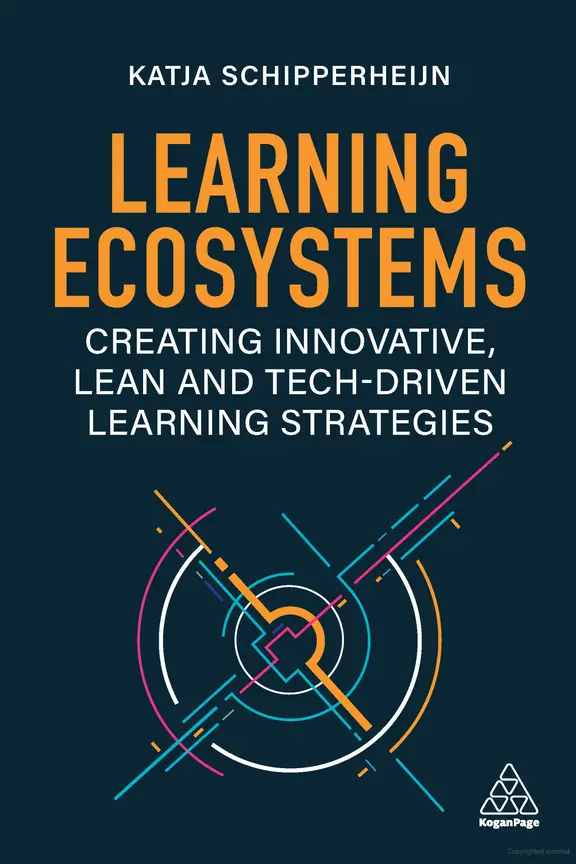
Today’s organizations need to be resilient, agile, and always learning. That’s what this book is all about creating “LearnScapes” that connect social learning, digital platforms, and employee-driven content into a living ecosystem.
Katja Schipperheijn explains how to upskill and reskill continuously by integrating learning into everyday work. The book dives into how you can build a learning architecture that adapts over time, supports cross-functional knowledge sharing, and uses technology to amplify learning outcomes.
For anyone responsible for driving long-term transformation through training and development, this book provides strategic thinking with hands-on execution.
Though short, this book delivers a forward-thinking perspective on how AI, neuroscience, and personalization are changing how people learn at work. It includes insights on adaptive learning platforms, microlearning systems, and the role of brain science in training effectiveness.
Backed by case studies from companies like AT&T, Unilever, and Walmart, it explores the shift toward learner-driven experiences. Bergeron offers actionable ideas for how L&D leaders can meet rising employee expectations and make learning a competitive advantage in fast-moving markets.
If you’re interested in Learning and Development books and how emerging technologies are shaping corporate learning, this one’s worth your time.
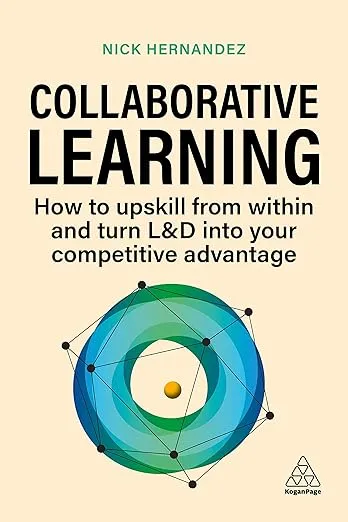
This book explores how collaborative learning can unlock internal knowledge and accelerate skills development across organizations. It shows how peer learning, mentorship, and team-based development create more engaged learners and better business results.
With examples from companies like Slack, Alpha Sights, and Mitsubishi Electric, it covers the mechanics of designing and scaling collaborative learning systems. The book also outlines how to avoid common pitfalls like engagement fatigue and siloed knowledge.
If you’re building a people-first culture, this training and development book can help you embed learning into the day-to-day operations of your teams.
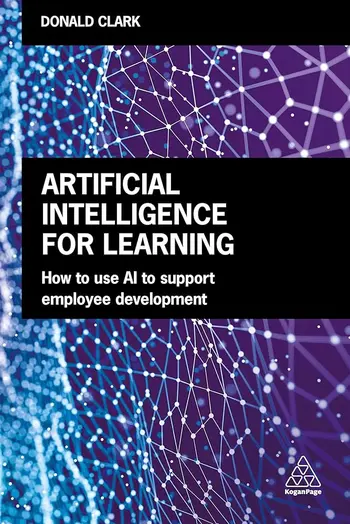
AI is already changing the way we learn at work. Donald Clark’s book shows you how to use AI to personalize content, drive engagement, and scale support through tools like chatbots and smart analytics.
He addresses common myths and concerns about AI while also providing use cases from companies like Netflix, British Airways, and the NHS. Topics include AI-based assessments, automated feedback, and intelligent systems that make learning more adaptive.
This is one of the more technical but accessible L&D books for professionals exploring data-driven approaches to training.
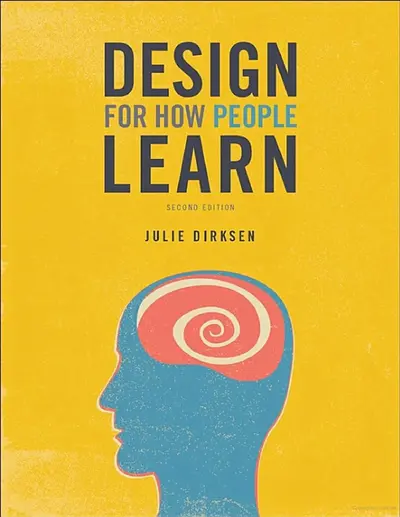
Julie Dirksen’s book remains a favorite among instructional designers and trainers. It takes the science of how people learn motivation, memory, experience and turns it into a practical guide for creating better learning environments.
The book is divided into three parts: understanding how learning works, applying it to design, and adapting to different learners. Each chapter includes real-world examples, models, and simple illustrations that make complex concepts easier to implement.
Whether you’re designing e-learning, workshops, or blended programs, this professional development book will help you create learning experiences that actually stick.
This book offers a strategic guide for L&D leaders, digital learning strategists, and organizational decision-makers on how to thrive as a learning leader in the era of speed. It lays out practical frameworks and approaches for designing learning systems that reduce time-to-proficiency, improve performance outcomes, and accelerate employee development.
This is an ideal pick for L&D professionals who want to push learning beyond compliance and into a competitive advantage for their organizations.
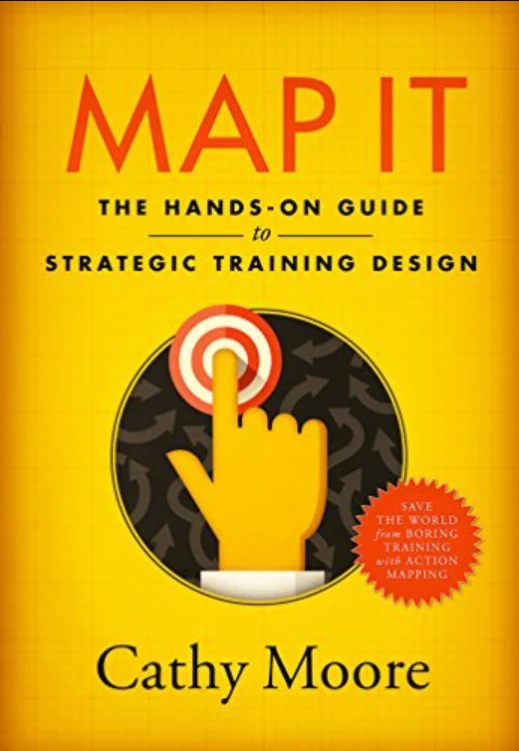
Cathy Moore’s “Map It” introduces action mapping a method for designing learning solutions that directly improve performance. Instead of defaulting to courses or content dumps, Moore teaches you to identify root causes and create activity-first programs that change behavior.
The book walks through every step: performance analysis, decision mapping, delivery methods, and outcome tracking. With templates, examples, and practical exercises, it’s especially helpful for internal L&D teams managing tight timelines and limited budgets.
An essential resource for anyone responsible for training design or learning architecture.
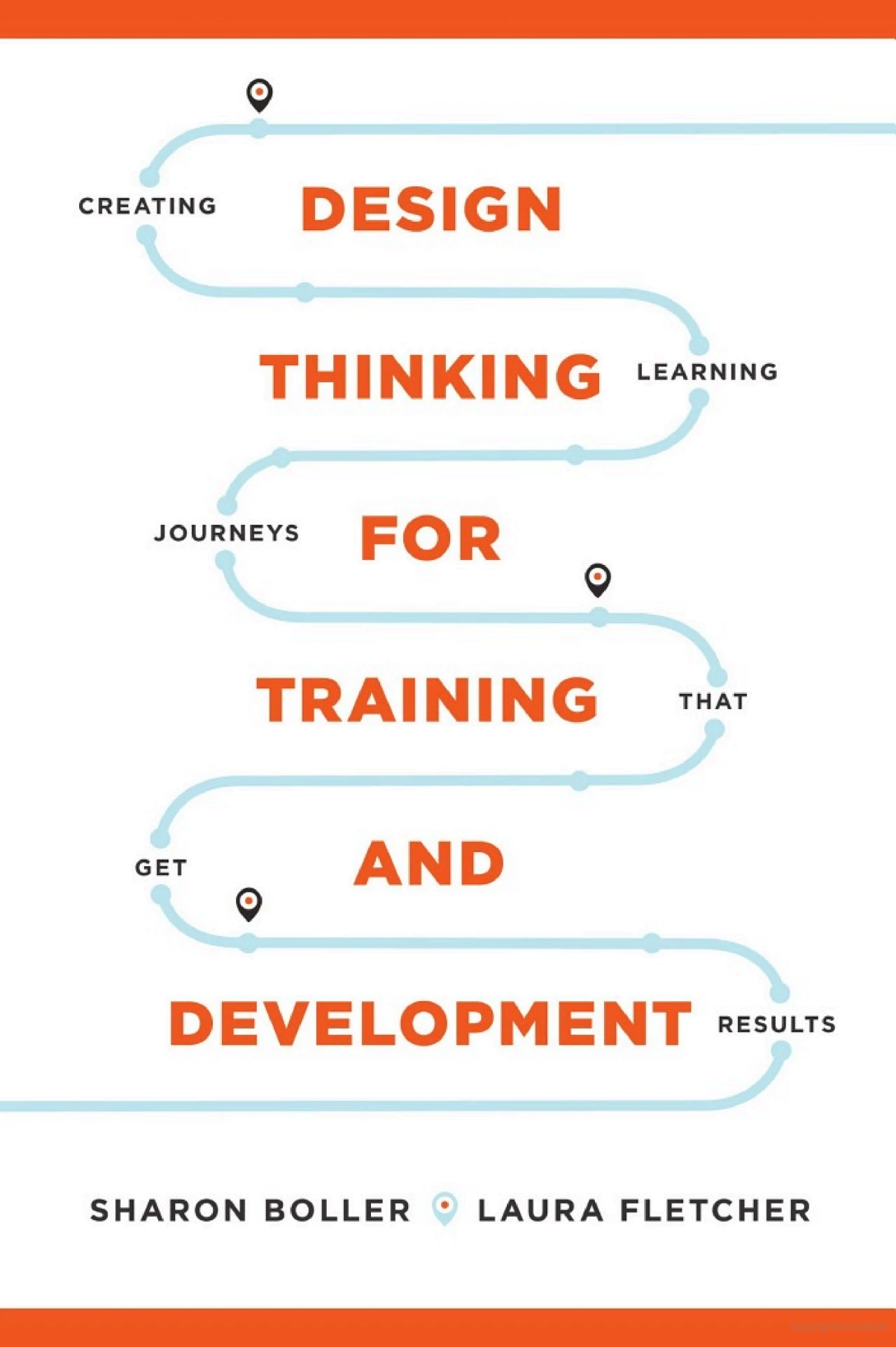
This book adapts design thinking principles for L&D professionals, emphasizing empathy, experimentation, and user-centered learning. You’ll learn how to map learner journeys, prototype solutions, and gather feedback to make iterative improvements.
The authors provide job aids, stakeholder management tips, and detailed case studies showing how design thinking leads to better learning experiences. It’s useful for both in-house and client-facing roles looking to increase the impact of training programs.
If you’re working on culture change, onboarding revamps, or learning product innovation, this book is a practical playbook.
The right learning and development books don’t just teach you—they change the way you lead, influence, and deliver value. The titles in this list are more than just good reads. They’re tools for building smarter teams, better systems, and stronger outcomes.
Whether you’re building your first L&D strategy or rethinking how to make learning matter, these ten professional development books for 2026 will keep you on the front foot.
For more curated lists, how-tos, and strategy insights, keep following the Tekstac blog—your resource for the future of workplace learning.
1. Any credible and recent L&D book to read in 2026?
“L&D Order Taker No More” by Jess Almlie, published in September 2025 is a strong pick for L&D leaders navigating speed, change, and uncertainty in 2026.
2. What books should new Learning & Development professionals start with?
For L&D beginners, it’s recommended to read Design For How People Learn by Julie Dirksen. It’s practical, learner-focused, and a great foundation for building effective learning experiences.
3. Why should L&D professionals and leaders read L&D books? What’s in it for them?
The right L&D books reshape how you lead, influence, and create impact. They serve as practical tools for building stronger teams, smarter learning systems, and measurable business outcomes.
Recruiting the right employees has become increasingly complex in 2026. Instead, forward-thinking companies are strengthening their internal mobility strategy as a core pillar of their broader talent mobility strategy.
According to LinkedIn’s 2025 Workplace Learning Report, 44% of companies offering structured internal mobility programs identify it as a leading career-building practice that directly improves employee retention.
Rather than viewing mobility as occasional promotions or transfers, leading organizations treat it as a long-term workforce strategy. By aligning mobility and talent development, companies build resilient and future-ready teams.
This is precisely why a solid talent mobility strategy is no longer optional; it is the foundation of sustainable workforce growth. We will delve deeper into this in the upcoming sections.
Internal mobility refers to the structured movement of employees across roles, departments, projects, and career levels within the same organization. It includes promotions, lateral moves, cross-functional assignments, mentorships, and project-based gigs.
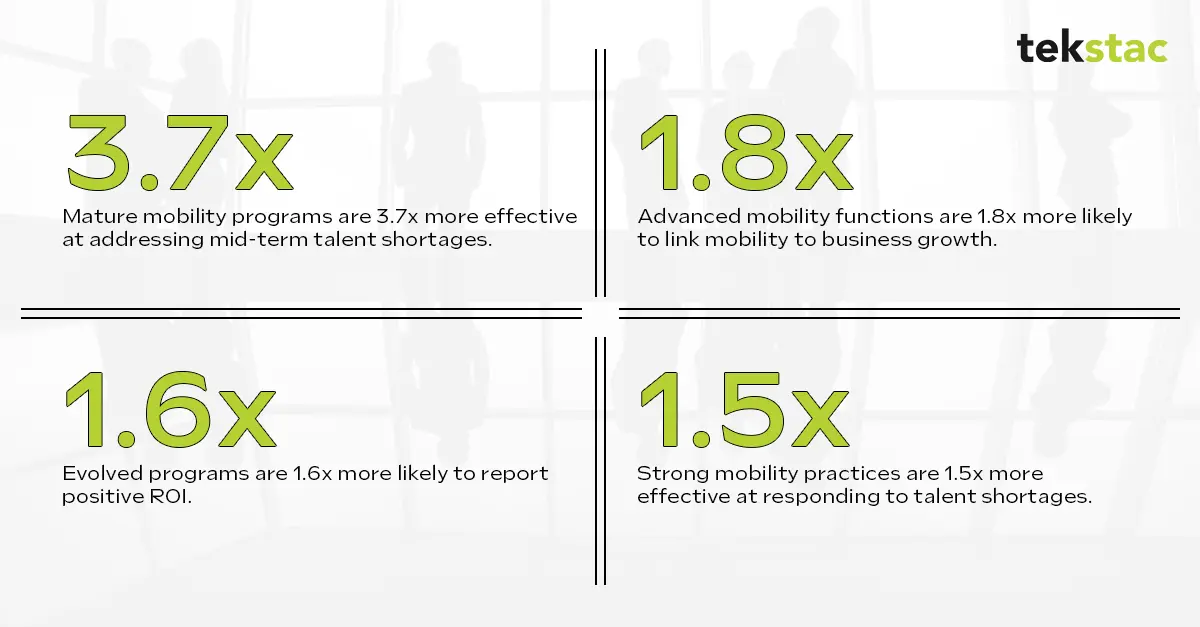
Source: EY
Today, organizations worldwide are facing a talent deficit for in-demand technology skills that is getting worse due to continuous advancements in technology.
According to the World Economic Forum’s Future of Jobs Report 2025, about 39% of workers’ core skills are expected to change by 2030, reflecting a significant ongoing shift in the capabilities businesses need.
As companies go through digital transformations, the requirement for new and specialized skills rises, causing businesses to struggle to keep pace.
The rise of generative AI has accelerated the need for agile workforce planning. Organizations are rethinking how mobility and talent development intersect.
Organizations are now focused on building agile, AI-ready workforces that align with both technological advancements and evolving workforce preferences. This shift has redefined talent management strategies to prioritize skill development in AI and adaptability.
As a result of this, many organizations shifted to external recruitment to fill these vacancies. However, this approach proved to be time-consuming & very expensive.
That number will rise faster for senior or technical positions. Meanwhile, internal employees seem to be cost-effective, more accessible to recruit, and more likely to fit the company culture.
However, cost efficiency is just one factor behind the company’s focus on strengthening its internal business environment.
There is also an ever-increasing demand for upskilling, development, and career progression.
Today’s workforce is not just seeking jobs but growth opportunities. Organizations that don’t offer internal mobility in HRM risk losing their human resources, especially to competitors who provide them.
Turn talent mobility trends shaping 2026 into measurable outcomes. Discover how Tekstac helps you build a skills-driven internal mobility strategy that accelerates growth.
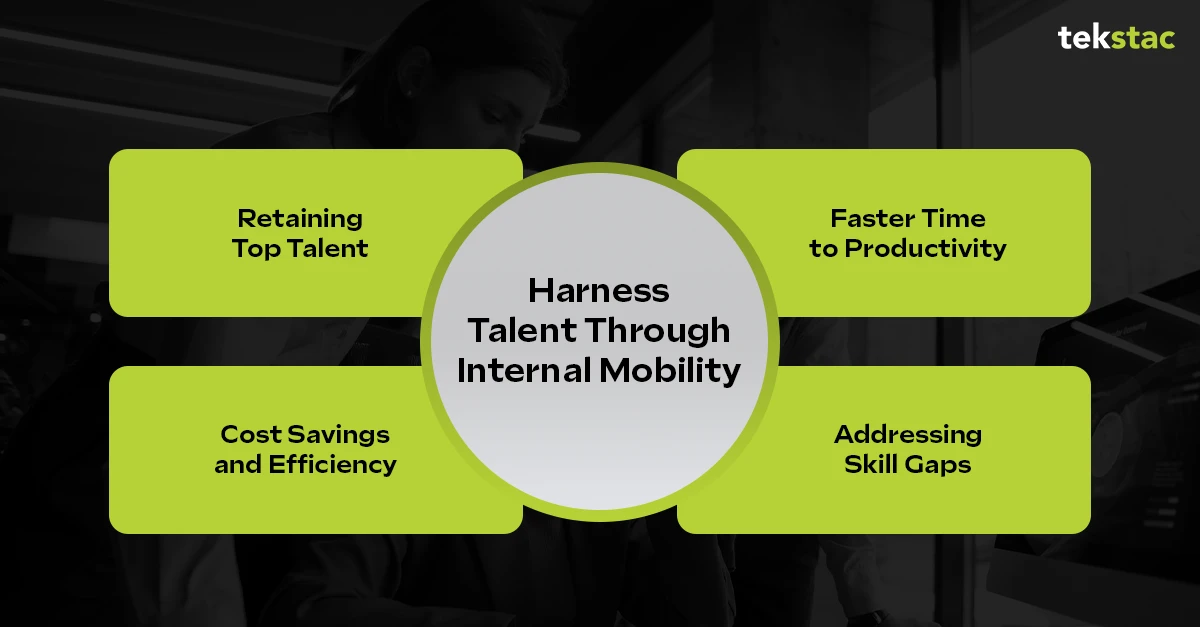
A well-designed internal mobility strategy plays a critical role in retaining high-performing employees. When employees have career development opportunities, they are more likely to stay with the organization.
Moreover, companies with high internal talent mobility rates keep their employees on average for 5.4 years compared with 2.9 years in companies with low internal mobility rates.
According to Gallup reports, 87% of millennials state that they consider development a vital factor when selecting a job.
Employees are likely to move to new organizations when they don’t see any career advancements.
Internal mobility is a perfect solution that shows employees there are options to explore new roles & projects within the organization, thus ensuring that top talents don’t have to move to another company.
External hires usually take a long time to reach peak productivity.
According to the National Bureau of Economic Research (NBER) survey, external recruits take 18-24 months to reach the performance level of internal hires.
On the other hand, in-house talents are always in tune with the firm’s operations, values, objectives, and strategy, thus progressing much faster.
Furthermore, internal employees have many organizational skills that external candidates cannot match. They are well aware of the company’s goals, internal team dynamics, and client base.
This allows employees to smoothly transition to other roles, particularly managerial and even cross-functional ones, driving quick business results.
Beyond retention and productivity, the benefits of internal mobility include measurable cost efficiencies. Internal hires require less ramp-up time, reduce dependency on external recruitment pipelines, and preserve institutional knowledge. Over time, this strengthens workforce stability and improves ROI on learning investments.
The increasing advancements in AI are transforming industries, and organizations are constantly using AI-driven platforms to assess employees’ skills and suggest relevant skilling programs.
Achieving this solely through external hiring can be very challenging. However, through internal mobility, organizations can enhance their existing workforce with the right skills and knowledge to succeed in new positions.
Based on LinkedIn data, 73% of learning and development leaders expressed that internal mobility has a positive impact on an organization’s capacity to address crucial skill gaps.
By combining structured upskilling with AI-driven internal mobility platforms, organizations can proactively match employees to emerging opportunities.
To maximize the benefits of internal mobility, organizations should integrate it into their culture and processes. Let’s see how
It is crucial to build a system that promotes internal mobility.
Employees need to feel empowered to look for new challenges at work without worrying about the consequences.
This demands clear communication from top management and systems that facilitate career shifts and internal job postings.
Learning and development are the key factors driving internal mobility in an organization.
Upskilling employees for new positions ensures that they are ready for the transformation.
In addition, companies that offer diverse development programs, such as leadership training and technical skill building, encourage the workforce to face new challenges head-on.
Data-driven insights are essential to identifying employees’ readiness for internal transitions.
With internal mobility in HRM taking center stage, HR teams can tap into talent analytics to better understand employee strengths, gaps, and goals. It’s about more than filling roles—it’s about helping people grow in the right direction.
Celebrating employees who take on new positions promotes a culture that values growth.
Performance incentives, public acknowledgment, and promotions associated with internal mobility lead to employee loyalty and great engagement.
Organizations that embed a structured internal mobility strategy into their workforce planning not only retain top performers but also build agile, future-ready teams capable of adapting to evolving industry demands. By fostering a culture of mobility, companies can create sustainable competitive advantages and ensure long-term business resilience.
Here comes the question!
How can organizations find the right platform to effectively upskill their workforce to support internal mobility?
Tekstac is the answer – a 360° skilling platform that provides tailored learning programs and resources, thereby ensuring employees are equipped with the right skills to confidently take on new roles.
1. What are the types of internal mobility?
Internal mobility includes promotions (upward mobility), lateral or role-to-role moves, intradepartmental and interdepartmental transfers, project-based mobility, mentorship opportunities, geographical transfers, and internal talent marketplaces that match employees to new roles or gigs within the organization.
2. What are the benefits of internal mobility programs?
Internal mobility programs improve employee retention, reduce recruitment costs, accelerate time-to-productivity, close skill gaps, strengthen cross-functional collaboration, and preserve institutional knowledge.
3. How do GCCs drive internal mobility strategy?
Global Capability Centers (GCCs) support internal mobility strategy by enabling geographical career movement, aligning global talent deployment with business expansion, and offering international assignments that enhance employee engagement, retention, and organizational flexibility.
In today’s corporate world, training programs are often viewed as a necessary but uninspiring task. With long presentations, endless modules, and monotonous content, employee engagement during learning/upskilling can take a hit.
But what if we could inject some excitement and motivation into the process?
Enter gamification: the strategic use of game elements—like levels, rewards, and friendly competition—that are now revolutionizing employee training. These tools not only captivate attention but also turn passive learners into active participants. With gamification, businesses are discovering a powerful way to enhance learning engagement and make training not just bearable but enjoyable.
Here’s a fun fact!
The word “gamification” was first coined in 2002, but it didn’t gain widespread popularity until 2010. Today, nearly every sector uses gamification techniques to drive engagement—from fitness apps to marketing campaigns!
Employees compete for top spots on a leaderboard as they race through compliance modules, or teams collaborating to solve business challenges in a simulated environment. Gamification makes training interactive, fun, and competitive, all while reinforcing key learning outcomes. It’s no surprise that more and more companies are weaving game elements into their training programs to help employees stay focused, motivated, and invested in their learning.
Research highlighted by Columbia Business School found that gamified training can improve learning outcomes and business performance, including higher client retention and revenue growth when implemented effectively.
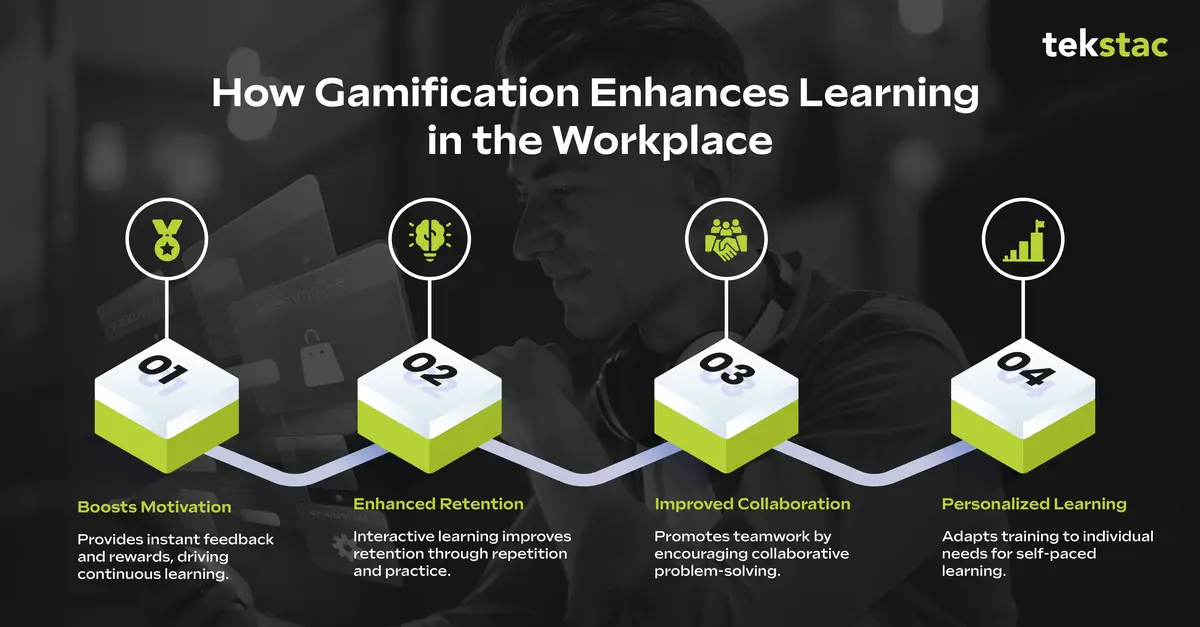
Gamification taps into employees’ intrinsic motivation by providing immediate feedback and rewards. This helps to create a sense of accomplishment and encourages employees to continue learning.
Interactive and immersive learning experiences help employees retain information better. Gamified training activities often involve repetition and practice, which are crucial for memory retention.
Many gamified training platforms encourage collaboration and teamwork. Employees can work together to solve problems, complete challenges, and achieve common goals, fostering a sense of community and cooperation.
Gamification allows for personalized learning experiences. Employees can progress at their own pace, and the training activities can be tailored to their individual needs and preferences.
Gamifying corporate training doesn’t require turning every training session into a full-scale video game. Even small elements of gamification in learning can make a big difference. Here are a few strategies businesses can use to bring gamification to life in their training programs:
Imagine earning points for completing tasks, badges for mastering key skills, and unlocking new levels as employees advance through the training. Points and badges offer a simple yet powerful way to motivate employees by creating visible milestones. These rewards give employees a sense of accomplishment and encourage them to continue learning.
Leaderboards can introduce a healthy dose of competition into training. Employees see how they’re stacking up against their peers and are motivated to improve their performance. For companies that emphasize teamwork, team-based leaderboards can encourage collaboration, as employees work together to climb the ranks.
Turning training modules into quests or challenges makes learning feel like an adventure. Employees might embark on a “mission” to solve a customer problem, complete a complex project, or achieve specific KPIs. By adding a narrative to the learning process, these challenges can make the material feel more engaging and relevant.
One of the biggest advantages of gamification is the ability to create simulations that mimic real-world challenges. For instance, sales teams could practice negotiating with a difficult customer, or marketing teams might be tasked with developing a new product launch strategy. These real-life scenarios make learning more meaningful and provide employees with a safe space to practice their skills.
While gamification in learning brings plenty of benefits, it’s important to recognize that not all employees are motivated by competition or external rewards. Some may find leaderboards or badges distracting or irrelevant to their personal learning style.
Therefore, it’s crucial for companies to offer a variety of gamified elements that appeal to different learning preferences, ensuring that every employee can engage with the training in a way that works best for them. Moreover, companies need to ensure that gamification doesn’t overshadow the primary learning objectives.
The focus should remain on mastering skills and retaining knowledge, not just accumulating points or badges. Successful gamified training programs find a balance between fun, engagement, and educational outcomes.
As companies continue to look for ways to boost employee engagement and performance, gamification is poised to play an even bigger role in corporate training programs. With advances in technology such as virtual reality (VR) and artificial intelligence (AI), gamified learning will become even more immersive and personalized.
Imagine donning a VR headset to step into a virtual sales meeting, or having AI customize your training path based on your progress and learning style. The possibilities are endless, and the future of corporate learning looks more exciting than ever.
Gamification has the power to transform corporate training from a mundane task into an engaging, interactive, and highly effective learning experience. By incorporating game elements like points, leaderboards, badges, and real-world challenges, companies can enhance learning engagement, improve knowledge retention, and boost employee performance.
As businesses continue to innovate, gamification will play a critical role in creating training programs that employees not only complete but genuinely enjoy.
1. What is gamification in learning?
Gamification in learning involves using game-like elements such as points, badges, leaderboards, and challenges to make the learning process more engaging, interactive, and fun. It motivates learners by incorporating rewards and recognition into their educational journey.
2. How effective is gamification in learning?
Gamification boosts learning engagement by up to 60% and improves retention by 25% to 60%. This approach motivates learners, enhances participation, and deepens their understanding of the material for real-world application.
3. Is gamification suitable for all types of learners?
While gamification appeals to many learners due to its interactive and fun nature, it’s important to customize it to the audience. Different learners respond to different types of challenges and rewards, so personalizing gamification elements is key to its success.
4. Can gamification be effectively used in corporate training?
Absolutely! Gamification is particularly effective in corporate training, as it encourages employees to learn new skills in a fun, interactive way, making the training process more engaging and memorable.